Dance
Thursday Night Shag & Swing
Group Class: Country 2-Step + Country Swing
Sign Up
East Ridge Diamond Squares
Thursday Night Shag & Swing
Group Class: Country 2-Step + Country Swing
Sign Up
East Ridge Diamond Squares
Thursday Night Shag & Swing
Contra Dance (2nd Thursday)
Group Class: Country 2-Step + Country Swing
Sign Up
East Ridge Diamond Squares
Thursday Night Shag & Swing
Group Class: Country 2-Step + Country Swing
Sign Up
East Ridge Diamond Squares
Thursday Night Shag & Swing
Group Class: Country 2-Step + Country Swing
Sign Up
Contra Dance (4th Saturday)
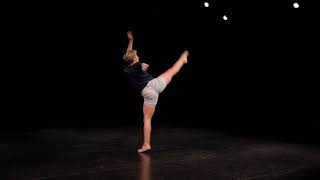
Acro
A dance style that blends classical technique (ballet, jazz, contemporary) with acrobatic tricks like handstands and aerials — solo or group, athletic and eye-catching.
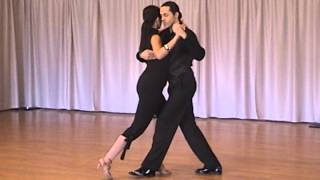
Argentine Tango
An improvised, close-embrace partner dance from Buenos Aires built on walking and connection rather than fixed steps — intimate and grounded, moderate tempo.

Bachata
A romantic partner dance from the Dominican Republic with soft hip movement and a signature hip-tap on the fourth beat — easy for beginners to pick up.
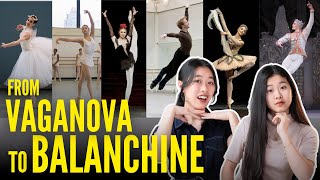
Ballet
A classical, highly technical dance form built on turned-out positions and pointed feet, often telling a story through movement and music alone.

Ballroom
An umbrella term for elegant partner dances like waltz, foxtrot, and quickstep, danced in closed hold — smooth gliding to sharp, fast footwork depending on the dance.
Burlesque
A theatrical performance style blending vaudeville comedy, glamour, and striptease-inspired staging — playful and costume-driven rather than purely technical.

Contemporary
A free-flowing solo style mixing ballet, modern, and jazz technique with floor work and emotional expression — less rigid than ballet, more exploratory.
Contra Dance
An American folk set-dance tradition -- long facing lines of dancers moving through caller-guided patterns to live or recorded string-band music, related to but more energetic than English Country Dance.

Country/Western
Upbeat partner dancing to country music built on the two-step's quick-quick-slow-slow walking pattern plus turns — social and beginner-friendly.
East Coast Swing
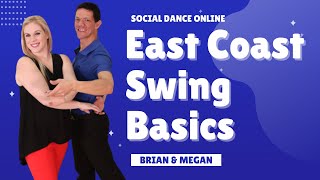
A bouncy 6-count swing style built on a rock-step plus two triple steps, danced to big-band and rock 'n' roll — usually the first swing style beginners learn.
Ecstatic Dance
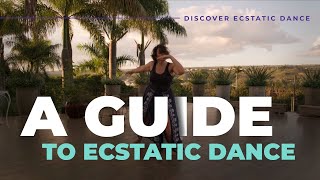
A freeform, alcohol- and instruction-free movement practice — no set steps, no talking, often barefoot — where a DJ or live music guides the room through a meditative, trance-like arc.
English Country Dance
A folk set-dance tradition dating to 17th-century England (Playford's 'English Dancing Master'), danced in longways/circle formations to live or recorded period music -- related to but slower-paced than Contra dance.

Hip-Hop
A street-born style danced to hip-hop music with grooves and freestyle elements rooted in 1970s Black and Latino communities — solo and high-energy.
Jazz
An upbeat, technical style built on leaps, turns, and sharp isolations — energetic and performance-focused, often a foundation for musical theater dance.

Latin
A family of lively partner dances — cha cha, samba, rumba, jive — built around hip action and rhythm, danced socially or in competition.

Lindy Hop
The original American swing dance, born in 1920s-30s Harlem out of jazz, tap, and Charleston — playful and improvisational, mixing 6- and 8-count patterns to live big-band swing music.

Line Dancing
A choreographed sequence of steps repeated in unison by rows of dancers, no partner needed — social and easy to pick up.

Lyrical
An expressive solo style blending ballet, jazz, and contemporary technique, danced to lyrical songs to physically convey their emotion and story.
Modern
An early-20th-century concert dance form that rejected ballet's rigid technique for grounded, expressive movement built on contraction and release.

Reggaeton
A high-energy style danced to reggaeton music, centered in the hips and torso with grounded, rhythmic movement — more groove-based than stepping.
Salsa
A fast-paced Latin partner dance built on a quick-quick-slow rhythm and spins — energetic and social, rooted in Cuban and Puerto Rican music.

Salsa (On1)
Salsa timed to break on the first beat of the music, often called 'LA style' — feels quick and staccato, and is the style taught in most U.S. salsa classes.

Salsa (On2)
Salsa timed to break on the second beat of the music, often called 'New York style' or mambo timing — feels smoother and tracks more closely with the underlying clave rhythm.

Shag
A smooth, six-count partner dance done to mid-tempo "beach music," historically tied to the Carolinas — relaxed footwork, strong emphasis on styling.
Shuffle
A fast-paced, cardio-heavy solo street-dance style built on the running man and T-step, danced to electronic/EDM music — usually taught and danced individually rather than with a partner.
Square Dance
Four couples dancing in a square formation, guided live by a caller through named figures -- Mainstream and Plus are the two most common club levels.

Swing
An energetic family of partner dances (like Lindy Hop) built on 6- and 8-count patterns to swing jazz — playful and bouncy, with lots of turns.
Vintage Dance
Social partner dances of a specific historical era -- Regency and Victorian through the Roaring '20s and beyond -- such as waltz, foxtrot, and one-step, danced in period style rather than modern competitive ballroom technique.

West Coast Swing
A slotted partner dance with an elastic 'stretch and compress' connection, danced to anything from blues to pop — smoother and more grounded than East Coast Swing, built on patterns like the sugar push and whip.